Menopause
Menopause is a natural stage of life, typically occurring in the late 40s to early 50s, when hormone levels change and the menstrual cycle ends. This transition can bring a wide range of symptoms, including hot flushes, night sweats, mood changes, tiredness, sleep disturbances and changes in bone health. While everyone's experience is unique, nutritional support and lifestyle practices can help your body cope more comfortably with this change.
This collection brings together products supporting foundational health factors relevant during perimenopause and menopause, including nervous system balance, bone support, energy metabolism and psychological wellbeing, as part of an overall approach that also includes speaking to a healthcare professional where appropriate.
Browse the collection
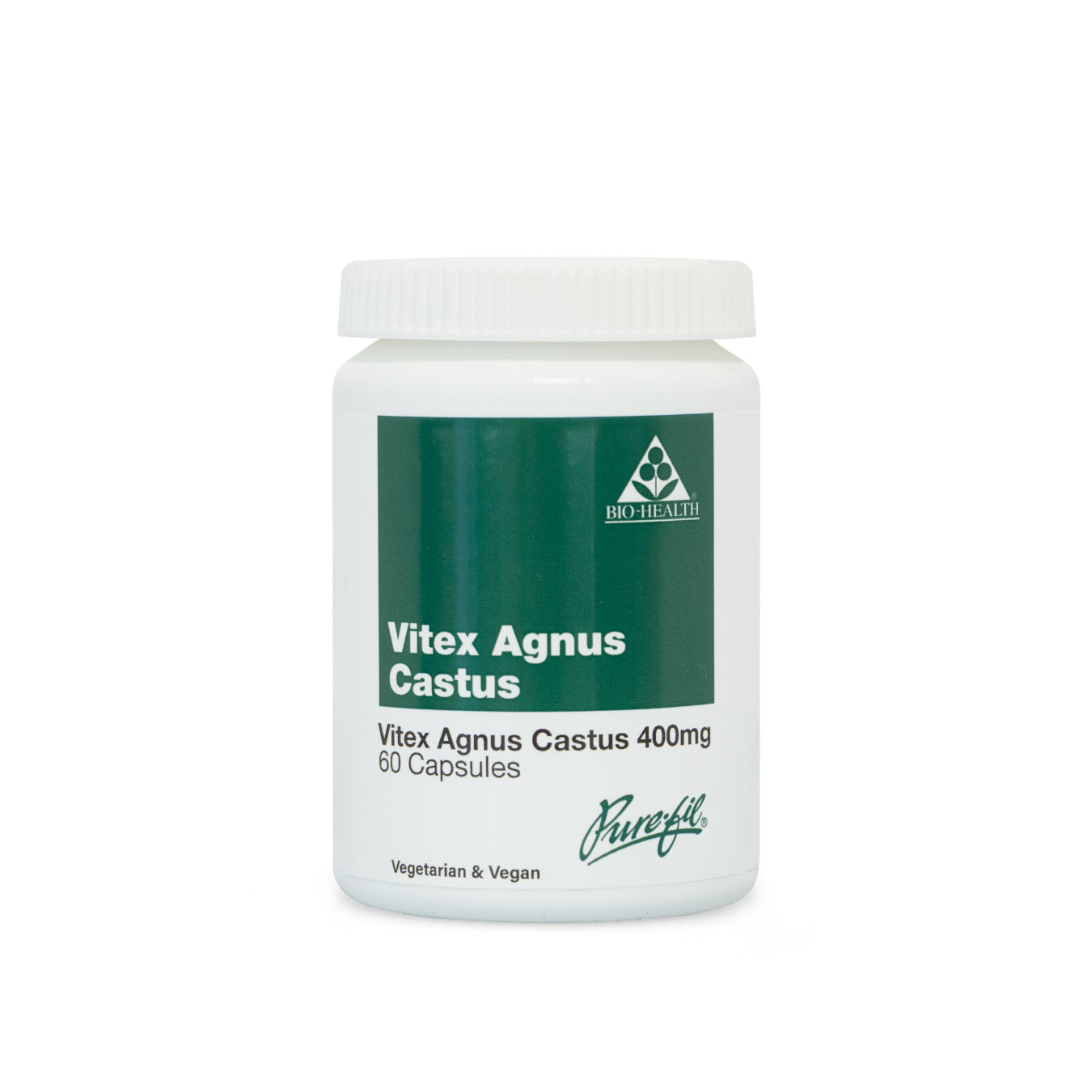

Agnus Castus (Vitex)


Dandelion Leaf


Extra Calcium+


Extra Magnesium


Extra Zinc+


Melissa Leaf


Milk Thistle


Passiflora


Red Clover Flowers


Valerian Root


Vitamin B-Complex


Vitamin D3 2000iu

Vitamin E Cream

Helpful resources
To help you understand and navigate this life stage confidently, we recommend these trustworthy resources for reliable guidance, practical tips and professional support for managing menopause symptoms:
NHS Menopause Help & Support - official NHS information on menopause symptoms, lifestyle approaches and where to get help
🌐: https://www.nhs.uk/conditions/menopause/
British Menopause Society - evidence-based clinical and patient resources for menopause care
🌐: https://thebms.org.uk/education/principles-practice-of-menopause-care/
Wellbeing of Women - UK charity supporting research and education across women's reproductive health
🌐: https://www.wellbeingofwomen.org.uk/
Arthritis UK- charitable support and practical tips for joint comfort and mobility during menopause
🌐: https://www.arthritis-uk.org/
A note on supplements and menopause care
Menopause is a natural life transition, but its impact varies widely. Nutritional support, herbal supplements and lifestyle measures can help many people manage symptoms more comfortable. However, these products are not medicines and are not intended to treat menopause but to support nutritional and systemic balance. If symptoms are significant, a conversation with a GP or menopause specialist can help you understand options like hormone replacement therapy (HRT), tailored lifestyle changes or other medical pathways.