
Vitamin C is one of the most widely-recognised nutrients, and was the first vitamin to be synthesised in a laboratory. It's required for hundreds of processes in the body but is best known for its role in immunity and its powerful antioxidant properties, helping protect cells from free-radical damage. Due to the body's increased expenditure of vitamin C during infections, it's especially important for immune function.

Vitamin C is essential for:
• Forming collagen
• Metabolic function
• Combating oxidative stress
• Wound healing & tissue repair
As an antioxidant, vitamin C may help protect against some forms of cancer and heart disease, support healthy cholesterol and blood pressure, air the production of haemoglobin and improve iron absorption. Regular supplementation may shorten the duration of colds.
As vitamin C is water-soluble, we need to obtain it daily. EFSA recommends 110mg daily for men and 95mg daily for women.
Good food sources include citrus fruits, berries tomatoes, peppers, leafy greens and potatoes (skin-on). Boiling, overcooking, light and prolonged storage can all deplete the vitamin C content of food. Fruit and vegetables frozen immediately after harvesting are likely to have a much higher vitamin C content than their "fresh" shop-bought counterparts which in some cases sit for days under bright lights.
Severe deficiency can lead to scurvy, marked by fatigue painful joints, bleeding gums, easy bruising and slow wound healing.
Historically common among sailors, scurvy was prevented with citrus fruit long before vitamin C itself was identified. Today, those most at risk include people with restrictive diets, alcohol dependence, certain mental health conditions, the elderly and smokers.
Common supplement forms include ascorbic acid, sodium ascorbate and calcium ascorbate.
Doses above 1000mg/day may cause digestive upset and can interfere with the absorption of minerals such as selenium and copper.
People with kidney disease may need to limit their intake.
There are three vitamin C options in the Bio-Health range: Vitamin C with Bioflavonoids, Buffered Vitamin C and Vitamin C Crystals. If you're stuck for choice or just unsure which option is best for you, head to our Vitamin C comparison page and we'll spell out the differences for you.
Important note
This information is for guidance only and is not a substitute for professional medical advice. If you are pregnant, breastfeeding or taking medications, consult a qualified healthcare professional before making changes to your diet or supplements.

Water is essential for keeping your body functioning properly. Every day, you lose fluids through breathing, sweating and digestion, so it's important to replace them by drinking enough throughout the day. If you don't replace the fluids you've lost, dehydration can develop. While mild dehydration is usually easy to treat, recognising the signs early can prevent if from becoming more serious. What are the signs of dehydration? Dehydration occurs when your body doesn't have enough fluid to carry out its normal functions. Common signs include: Feeling thirsty Feeling dizzy or lightheaded Feeling tired or lacking energy Headaches A dry or sticky mouth Dark yellow urine or urinating less often than usual Sunken eyes Older adults, young children and people with certain medical conditions are more at risk of dehydration, so it's especially important to recognise these symptoms early. Why is staying hydrated important? Drinking enough fluids supports many of your body's essential functions. It helps to: Transport oxygen and nutrients around the body Regulate body temperature Support healthy digestion Prevent constipation Support joints Support healthy skin Maintain normal cognitive function, helping you stay focused and alert Even mild dehydration can affect your concentration, mood and energy levels, making everyday activities more difficult. Does tea and coffee count? Yes. Despite caffeine having a mild diuretic effect, moderate amounts of tea and coffee still contribute towards your daily fluid intake. However, water should remain your main source of hydration. Simple ways to stay hydrated Aim for around 6-8 glasses of fluid each day, although you may need more during hot weather, exercise or if you're unwell. Simple habits can make it easier to stay hydrated: Carry a reusable water bottle with you Set reminders on your phone to drink regulary Add slices of lemon, cucumber or berries to your water for extra flavour Eat water rich foods such as cucumber, watermelon, strawberries and tomatoes. Increase your fluid intake during hot weather and after exercise When should you seek medical advice? Most cases of mild dehydration improve by drinking plenty of fluids. However, if you experience severe symptoms such as confusion, drowsiness, fainting or you're unable to keep fluids down, seek medical advice from a healthcare professional as soon as possible. By recognising the signs of dehydration and maintaining a healthy fluid intake, you can help support your overall health and wellbeing.
Learn more
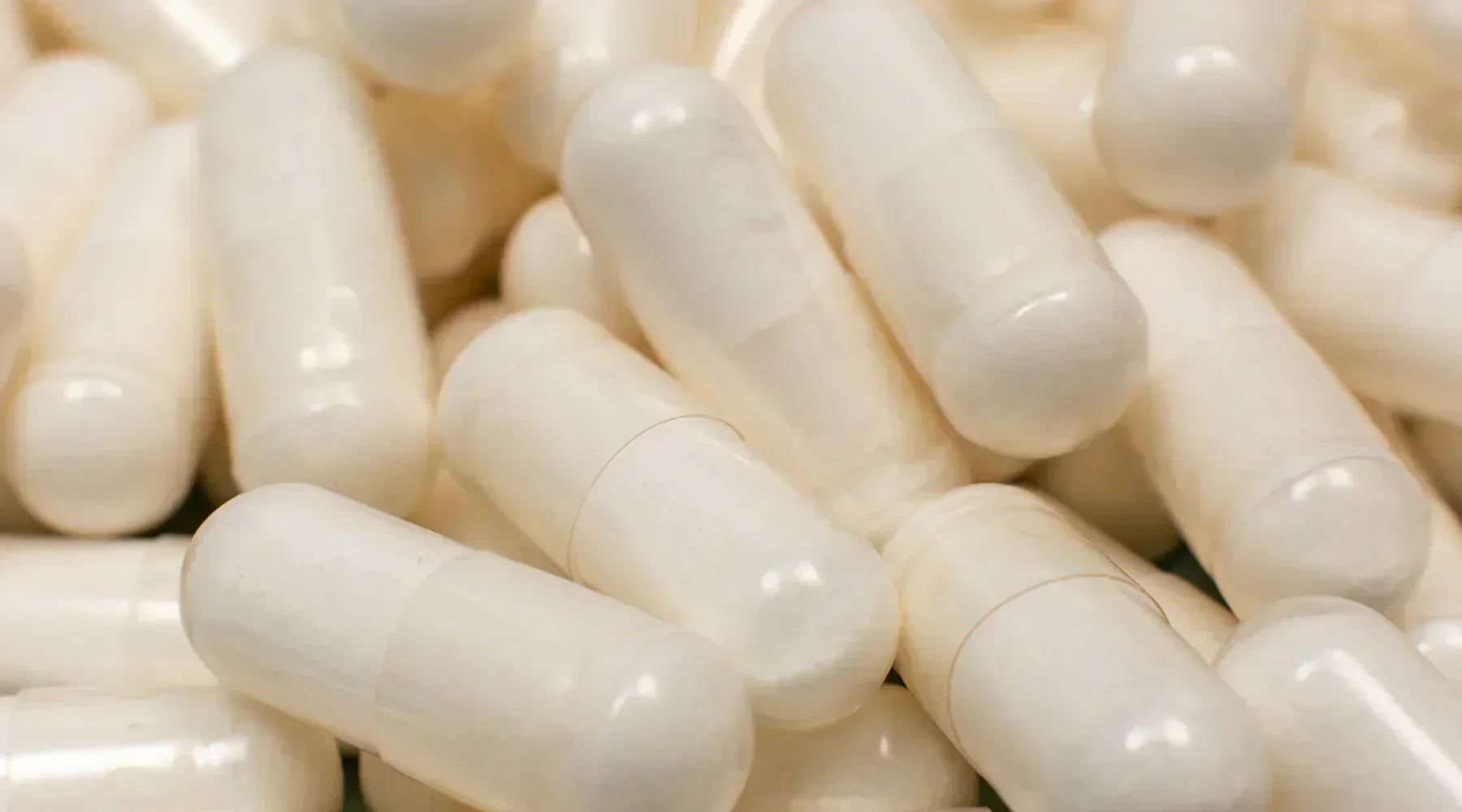
What are vitamin gummies? Vitamin gummies are chewable supplements designed to taste like sweets. They’re popular for their flavour and convenience, but that often comes with compromises. Nutrients and efficacy To create their taste and texture, gummies rely on sugars, flavourings and gelling agents. While this makes them more enjoyable to take, it also introduces ingredients that add little nutritional value. Regular intake of added sugar can contribute to issues such as weight gain, blood sugar imbalance and dental decay, which makes gummies less ideal for those looking for a more health-focused supplement routine. Because of their structure, gummies can only hold a limited amount of active nutrients. This means they are often lower in potency per dose compared with other formats. Capsules offer far more flexibility. Without the need for taste or texture adjustments, they can deliver higher levels of active ingredients in a simpler, more concentrated form. Heat, stability and manufacturing Gummies are produced using heat, which can affect the stability of certain nutrients. Vitamin C and B vitamins, for example, are sensitive to temperature and may lose some potency during processing. They can also be more sensitive to heat and light during storage, meaning careful formulation and packaging are needed to maintain consistency over shelf life. Capsules provide a more protective environment for nutrients, helping maintain strength and consistency throughout shelf life. Why capsules are more precise Because capsules don’t require sweeteners or gelling agents, formulations can focus entirely on what matters – the nutrients themselves. This allows for greater accuracy, higher potency and fewer unnecessary ingredients. Bio Health Pure-Fil capsules are 100% active, plant-based and free from additives, sugars, gluten and yeast. They’re designed to deliver nutrients cleanly and consistently, without compromise. For those looking for a more reliable and effective supplement, capsules remain the more reliable and effective choice.
Learn more
Everything you need to know when starting a new supplement routine, including how long supplements take to work.
Learn moreYour cart is currently empty.
Not sure where to start?
Try these collections: